Building Winning Teams
Org design consulting for a 90-person product and engineering team at Questrade.
Questrade is a Canadian financial services company that provides self directed investing, managed portfolios, and digital trading platforms to millions of customers. Similar to Robinhood in the US. The company operates complex, highly regulated consumer facing products that require strong coordination across engineering, product, design, and operations.
Summary
I was engaged as an independent consultant to help Questrade improve how its product and engineering teams were structured and how effectively they delivered against business priorities. At the time, teams were distributed across multiple geographies and operating under a scaled agile model, but delivery speed and clarity of ownership were being impacted by blurred roles, fragmented leadership, and inconsistent team health.
 Agenda slide from my pitch deck (2019). Please keep in mind this was before AI became a widely available tool.
Team Interviews
Over the course of the engagement, I conducted in-depth interviews with senior engineering leaders, managers, and team leads, reviewed existing delivery processes and artifacts, and assessed how strategy, roadmaps, and execution flowed through the organization. Based on this work, I developed a principle driven team model designed to restore clear accountability between product, engineering, and delivery roles, while preserving healthy tension and collaboration between them.
My contribution
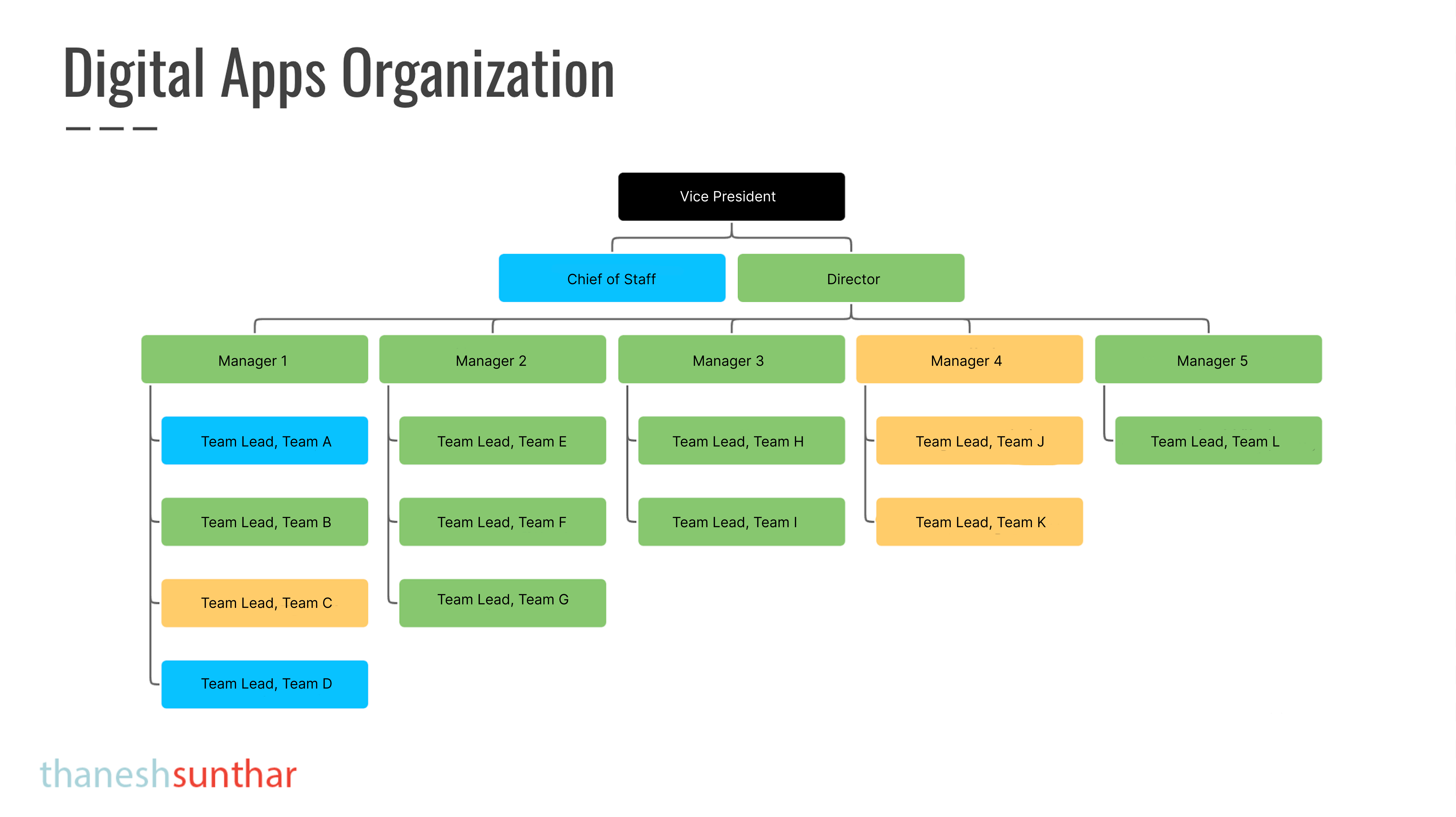 There were 12 teams in the digital apps org. Names and details redacted.
The final deliverable outlined a practical, phased plan for restructuring teams into smaller, more focused units with clear ownership, dedicated leadership, and measurable objectives. It also introduced coaching and governance structures to support team health, consistency across regions, and long term scalability as the organization grew. The recommendations balanced agility with operational reality and were designed to be actionable within existing constraints rather than aspirational theory.
This engagement reinforced my ability to operate at both the organizational and execution layers, translating abstract delivery problems into concrete structural changes that improve speed, accountability, and outcomes in complex product organizations.
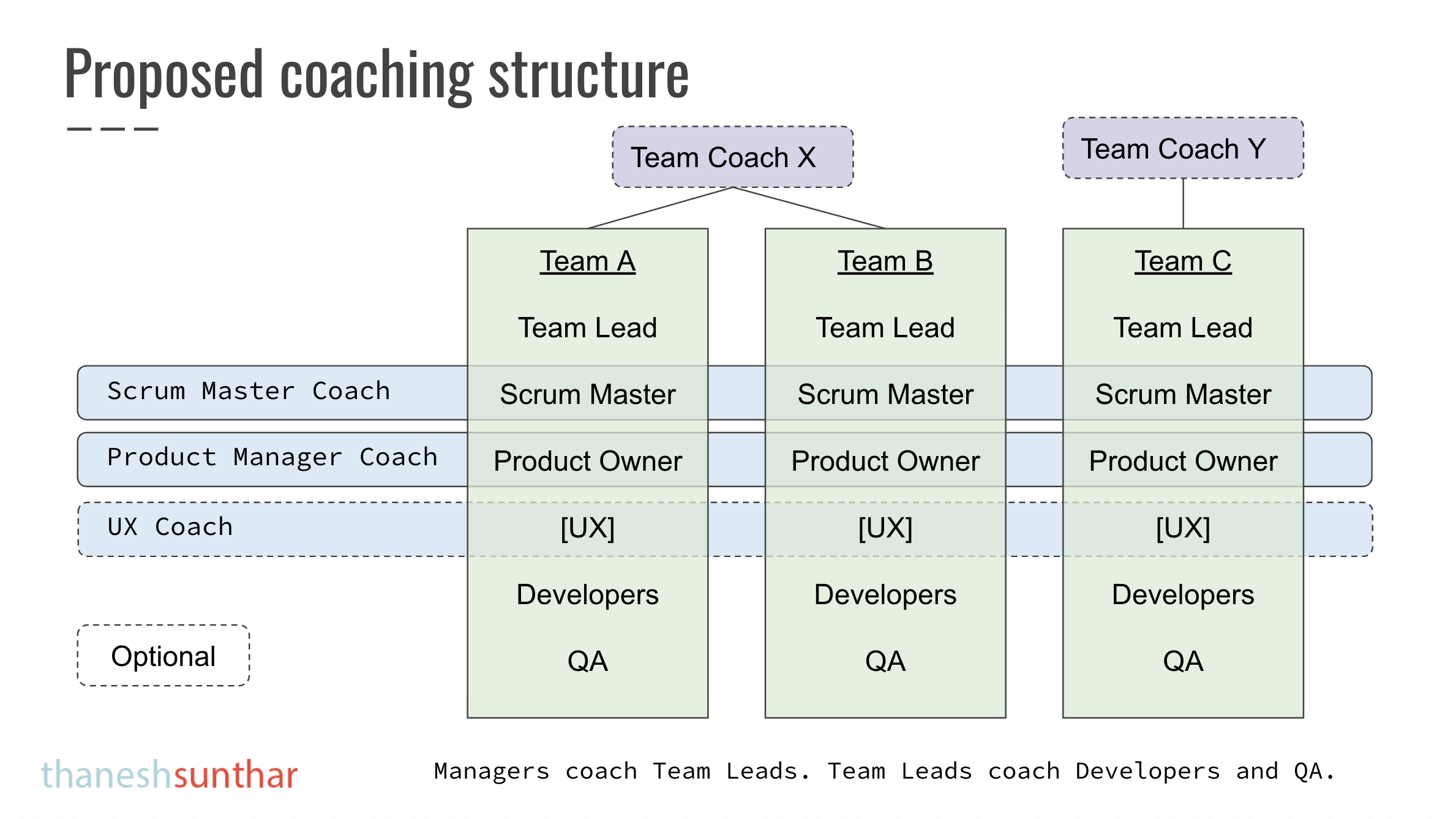 Managers coach Team Leads. Team Leads coach Developers and QA.
Inputs
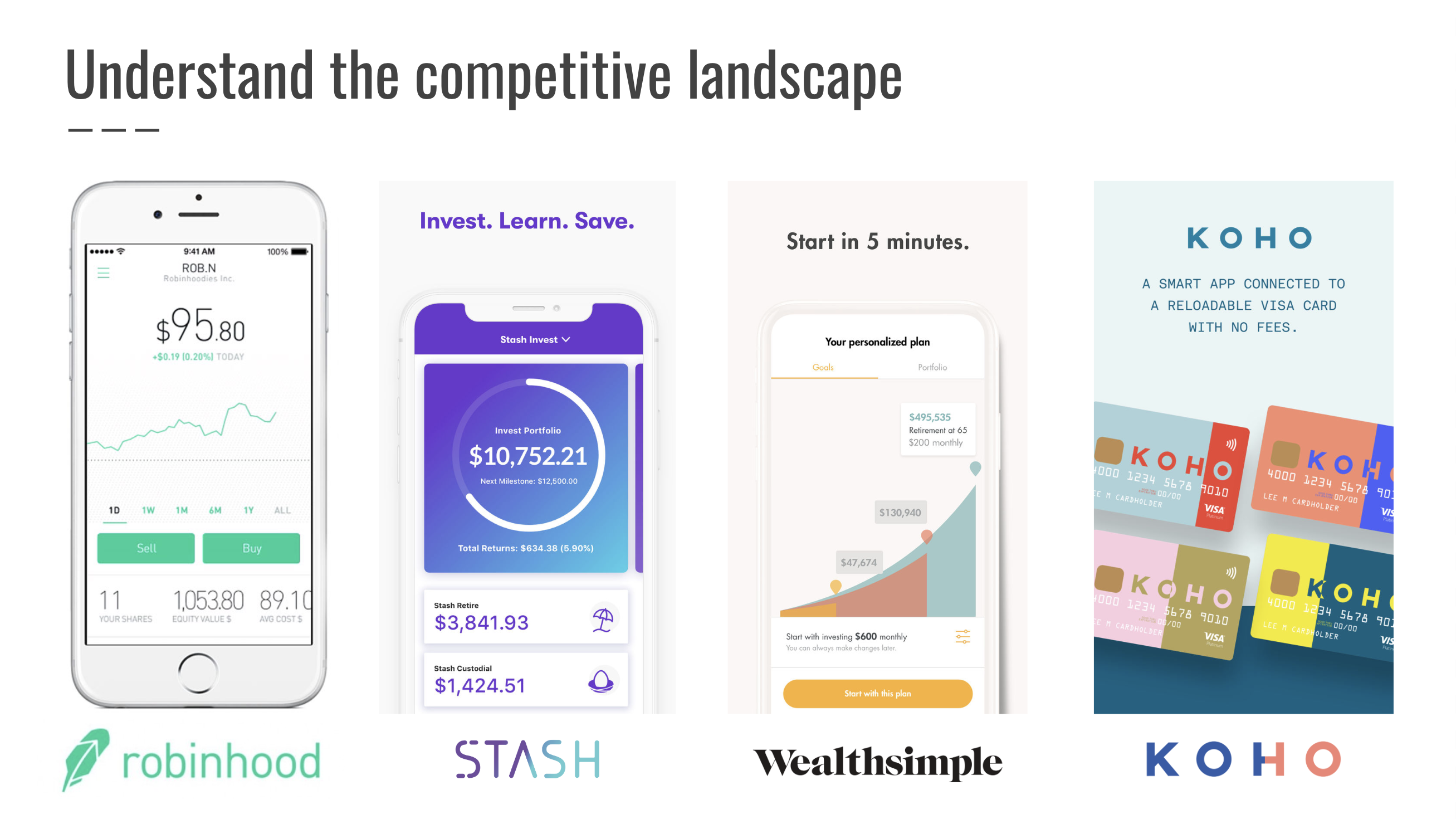
Effective team design does not start with org charts. It starts with clarity. A clear product vision, an understanding of the competitive landscape, current market conditions, and a realistic view of how the organization operates today. Equally important is listening closely to customers and understanding where products are falling short or creating friction.
During this engagement, these inputs were used to ground every recommendation. Existing team structures, delivery bottlenecks, customer feedback, and business objectives were examined together rather than in isolation. This ensured that team design decisions directly supported measurable outcomes, whether the goal was improving delivery speed, increasing active usage, or driving revenue growth.
By anchoring team structure to strategy and real world signals, the organization was better positioned to iterate quickly, align execution with business priorities, and adapt as market conditions evolved.
Numbers
- 90 product, engineering, QA, and scrum professionals across 12 teams, supported by roughly 5 managers and senior leaders.
- 6 in depth leadership interviews conducted, complemented by on site working sessions.
- Completed end-to-end in approximately two weeks, from legal approved statement of work through final organizational design and delivery recommendations.